
Industrial nitrile gloves for automotive work.
Automotive buyers often choose industrial nitrile gloves for grip, durability and resistance to oils and workshop contamination. Suitability must be checked against the exact oil, cleaner, solvent or chemical, because breakthrough and degradation performance varies by substance and working conditions.
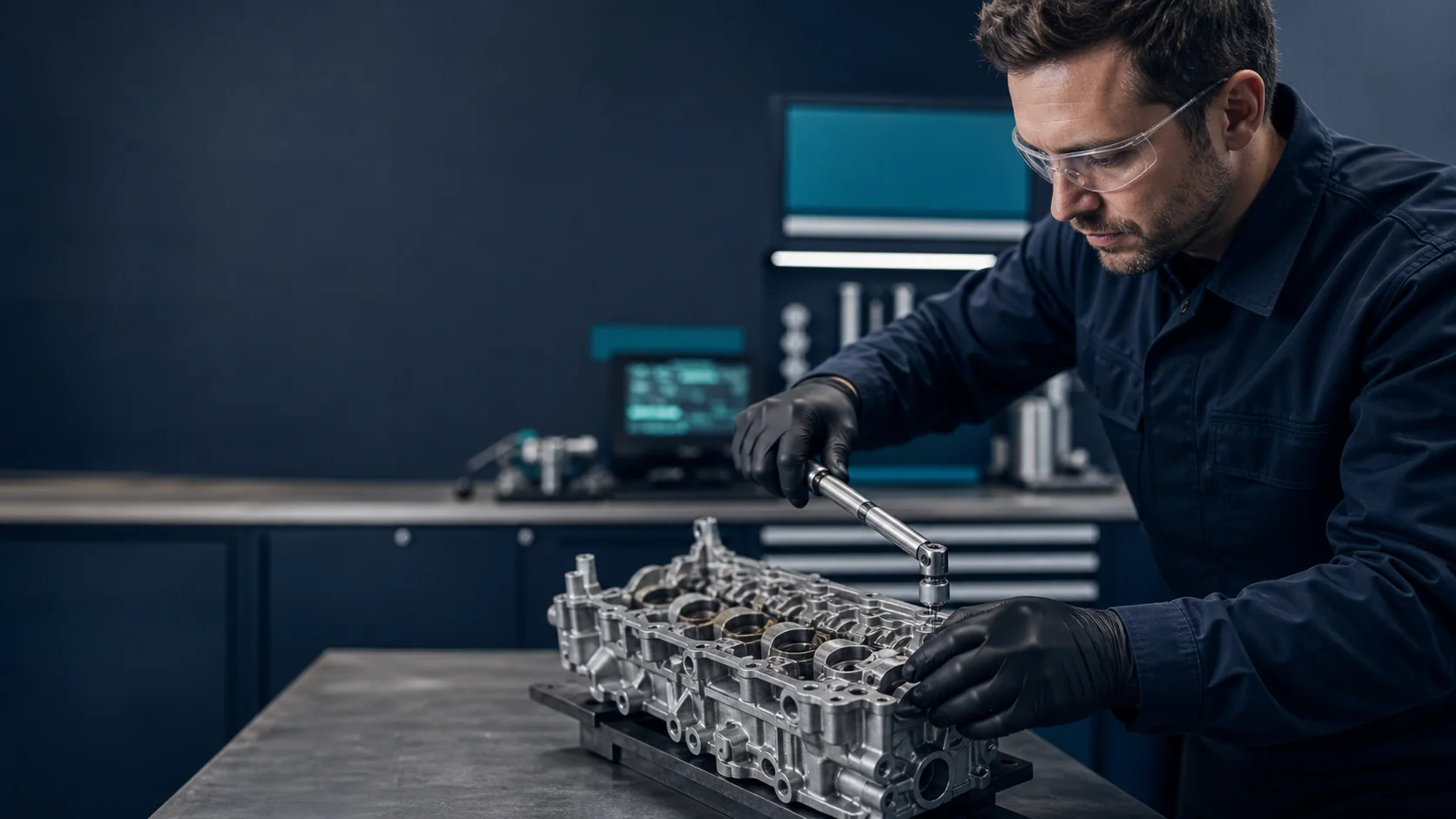
What automotive buyers should check.
Grip pattern
Textured or diamond-textured surfaces can support handling where oil, grease and moisture are present.
Weight and thickness
Heavier gloves can offer greater durability, while lighter gloves may be preferred where fine dexterity is the priority.
Chemical resistance
Review permeation and degradation data for the exact chemical. General material claims are not a substitute for product-specific test information.
Task duration
Single-use gloves provide limited-duration protection. Workplace conditions can reduce the protection measured under laboratory testing.
Review products and current documentation.
Glove questions from automotive buyers.
Are nitrile gloves suitable for automotive work?
Industrial nitrile gloves may suit many automotive tasks, but suitability depends on the exact product, task duration and substances involved. Always check current permeation and degradation information.
Are thicker nitrile gloves always better for mechanics?
Not always. A heavier glove may improve durability, while a lighter glove may offer better dexterity. The best balance depends on the task and risk assessment.
Do nitrile gloves protect against every solvent?
No. Chemical resistance varies significantly. Check the exact chemical, concentration, temperature and expected contact time against product-specific data.
Confirm the exact glove before purchase.
Tell us the application, market, volumes and any chemicals or standards involved.