Private Label Gloves: Manufacturing Process, Costs & Lead Times
Plan private label gloves from specification and samples to packaging, costs, lead times and repeat supply, with an exact-SKU buyer checklist.
Published by NewGlove
Reviewed and updated 24 August 2026

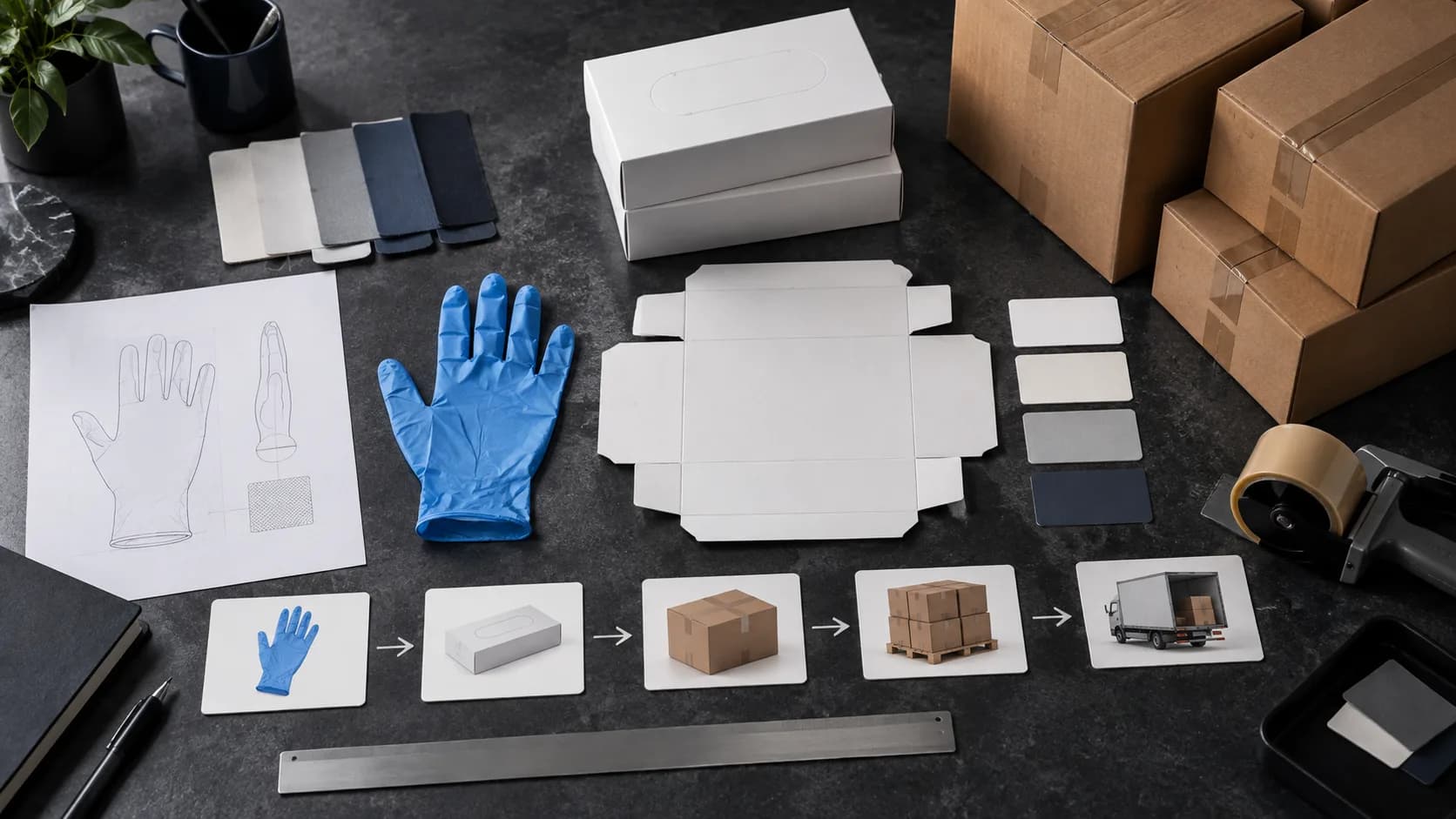
Private label glove manufacturing is the controlled production of a glove range under a buyer’s brand. It is more than printing a logo on an existing carton: the programme must align intended use, exact product specification, evidence, labelling, quality controls, commercial quantities and replenishment.
NEW GLOVE LTD develops programmes for distributors, retailers and institutional buyers using nitrile, latex or vinyl gloves, with physical production under contract in Malaysia and commercial support from the UK. The process below explains the decisions that affect specification, cost, lead time and quotation readiness.
1. Define the market and intended use
Begin with who will use the glove, for which tasks, and where it will be sold. “Disposable nitrile glove” is not a complete brief: a medical examination glove and an industrial glove can have different intended purposes, evidence and labelling obligations.
List the destination countries, sales channels, languages and any tender requirements at the outset. Regulatory status should be confirmed for the precise product and market rather than copied from a similar range.
2. Build a controlled product specification
Translate the commercial idea into measurable requirements. A useful specification normally records:
- Material, formulation, powder status and latex status.
- Nominal weight or thickness, cuff length, texture and finish.
- Colour, sizes, pieces per dispenser and cartons per case.
- Applicable medical, PPE, food-contact or other performance requirements.
- Inspection criteria, test methods, acceptance limits and batch records.
- Shelf life, storage conditions and minimum remaining life on delivery.
3. Agree commercial quantities and timing
NewGlove confirms commercial minimums, sampling stages and programme timing after reviewing the specification, packaging, forecast and destination. Bespoke colours or formulations can change the manufacturing route and commercial basis.
Artwork approval, testing scope, material availability, destination, freight and regulatory work can affect the programme. Confirm the dated quotation, schedule and delivery basis for each project before committing downstream dates.
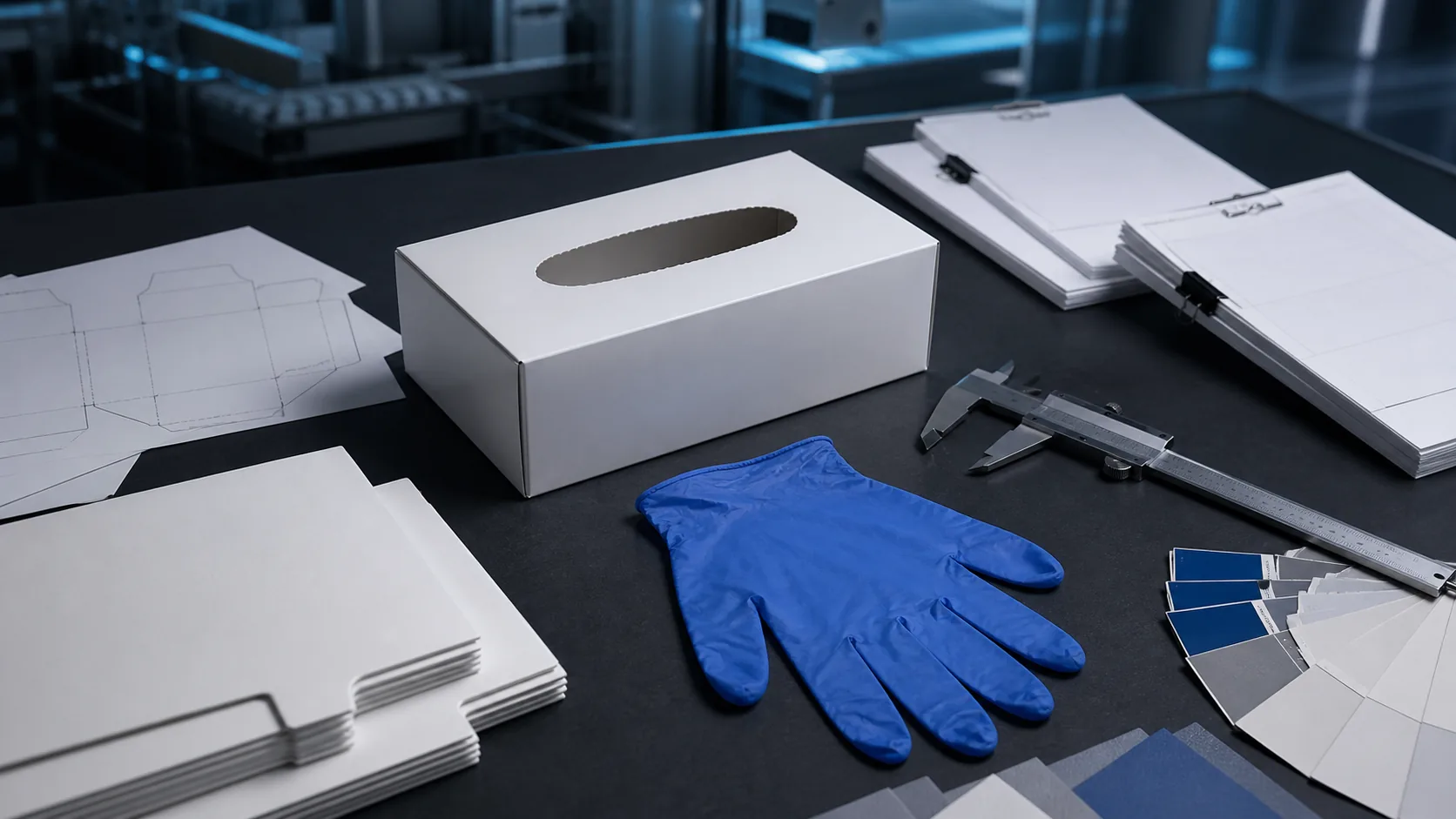
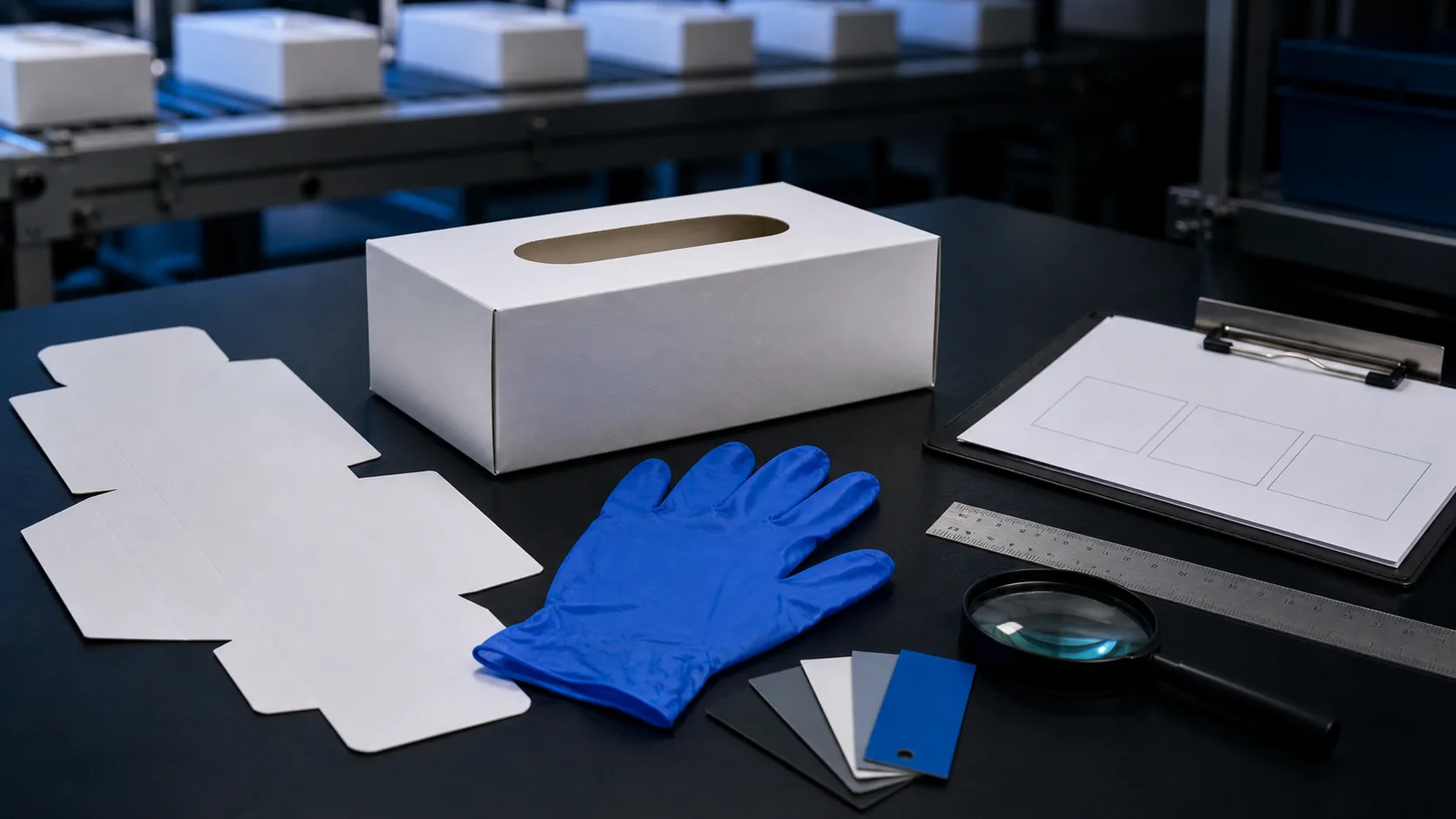
4. Approve samples and packaging
Approve a pre-production sample against the written specification, not appearance alone. Record size, fit, donning, grip and task-specific observations, then document any agreed change before production.
Packaging needs its own controlled review. Check product identity, intended use, size and quantity, lot information, expiry, storage, symbols, manufacturer and responsible-party details, regulatory marks, languages, barcode data and disposal wording as applicable. Legal review remains the brand owner’s responsibility unless the contract states otherwise.
5. Control production, release and traceability
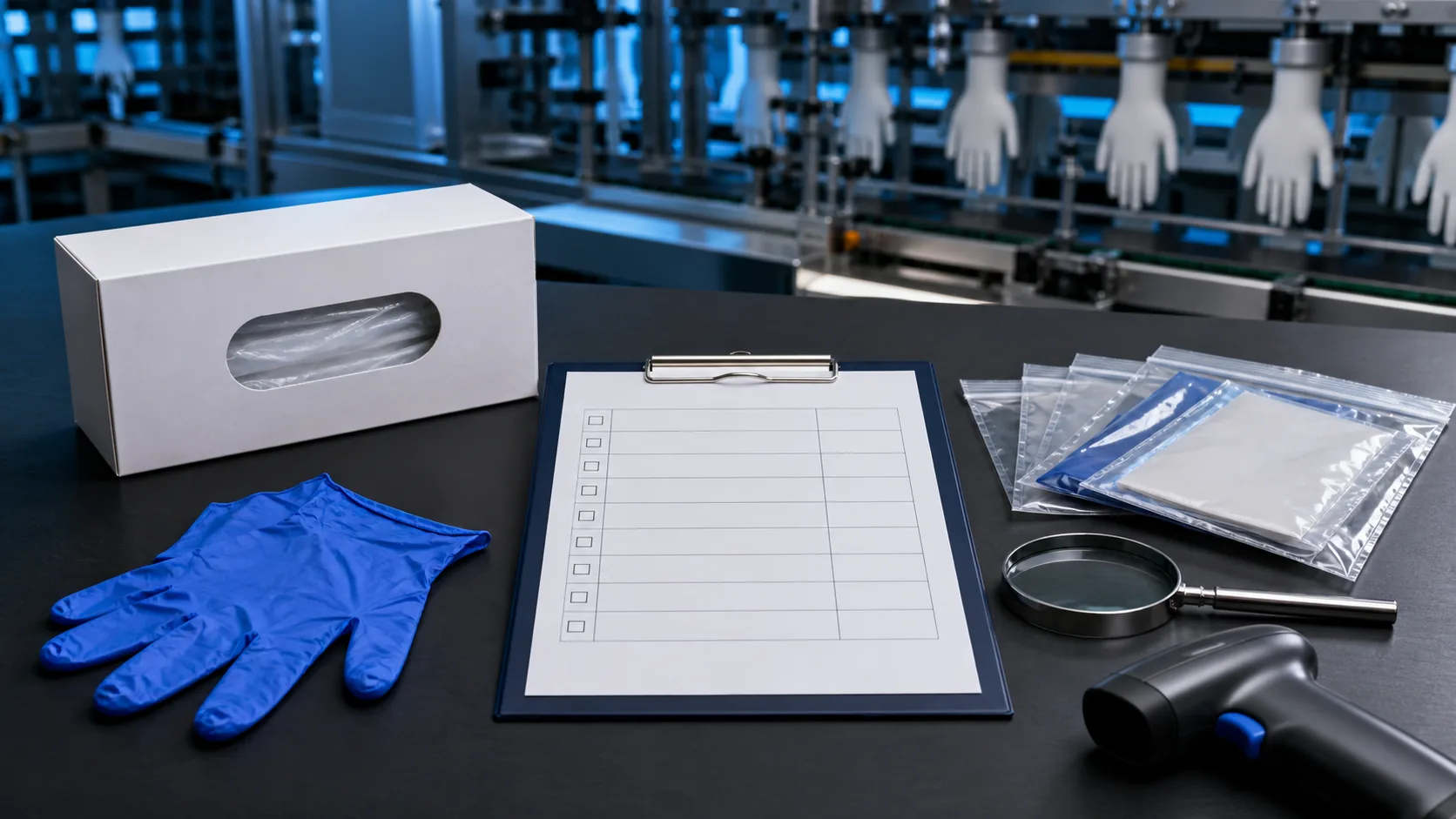
Before the first run, agree what will be inspected, which records accompany a batch and who can authorise release. Keep the approved specification and artwork under version control so a repeat order cannot silently revert to an older file.
On receipt, connect delivery paperwork and carton lot codes to the supplier’s quality documents. Define how complaints, nonconforming stock and any corrective action will be handled before an issue occurs.
6. Plan the repeat-order cadence
Forecasting matters because a branded carton is not interchangeable stock. Agree reorder points using demand, production, freight, clearance and an appropriate risk buffer. Review actual usage and remaining shelf life instead of repeating the opening order automatically.
A good private-label programme leaves the buyer with a controlled product file, clear ownership of branding and artwork, traceable batches and a documented change process - not just a container of gloves.