Polychloroprene examination gloves: a buyer's guide to neoprene medical gloves
Understand polychloroprene examination gloves, ASTM D6977, sterile and non-sterile routes, material comparisons and the exact evidence medical buyers should request.
Published by NewGlove
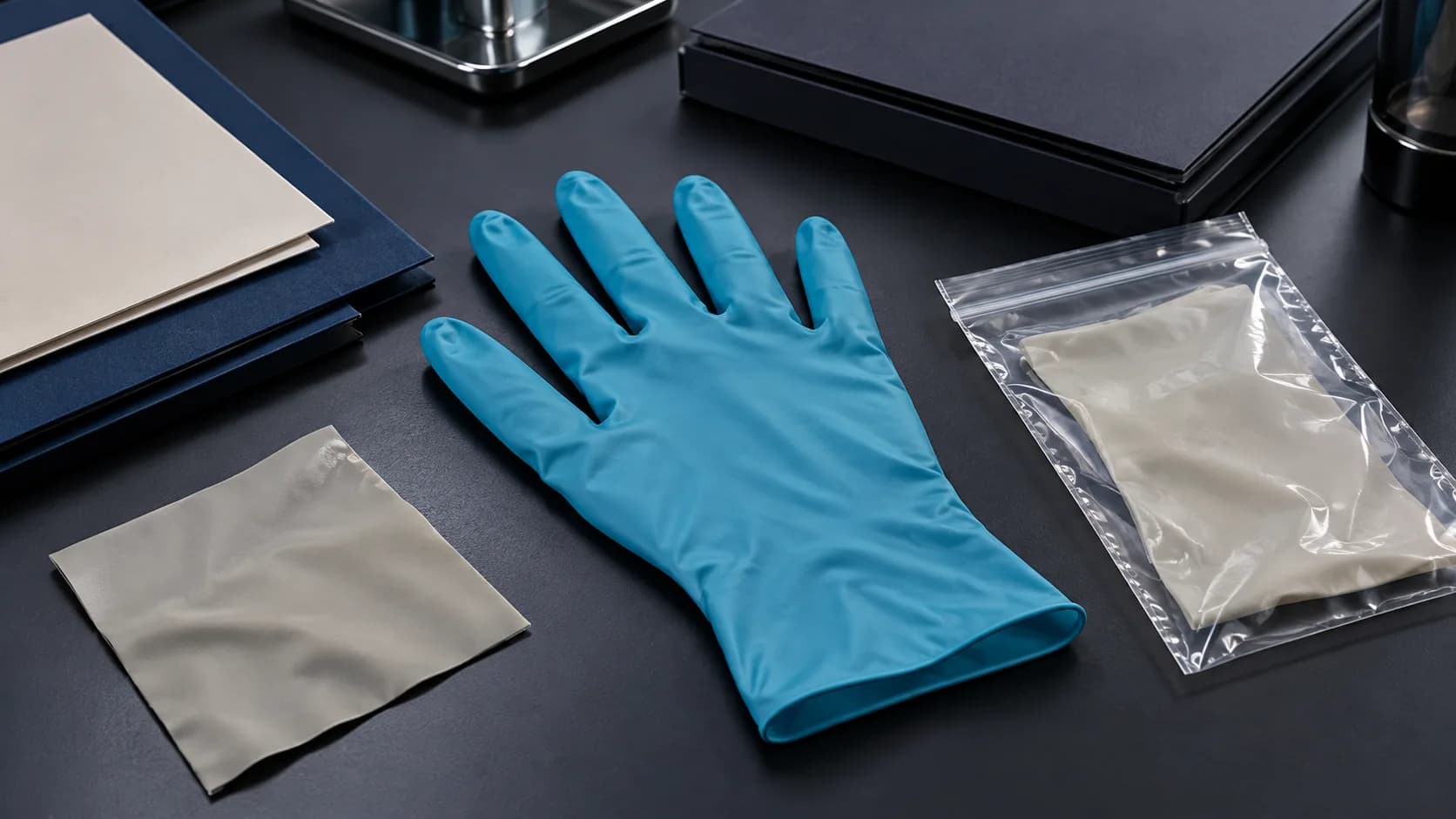
Polychloroprene is a synthetic rubber used in some medical examination and surgical gloves and is often described as neoprene or chloroprene in the market. For examination gloves, ASTM D6977-19(2023) is the material-specific ASTM specification. ISO 11193-1 and the EN 455 series may also be relevant within an exact product's applicable market and evidence route.
Material name alone does not establish sterility, accelerator content, chemotherapy resistance, chemical compatibility, EN 455 compliance, FDA clearance or suitability for a clinical task. This article is a procurement framework, not medical or regulatory advice. NewGlove does not claim a current polychloroprene product or programme availability here.
What polychloroprene means
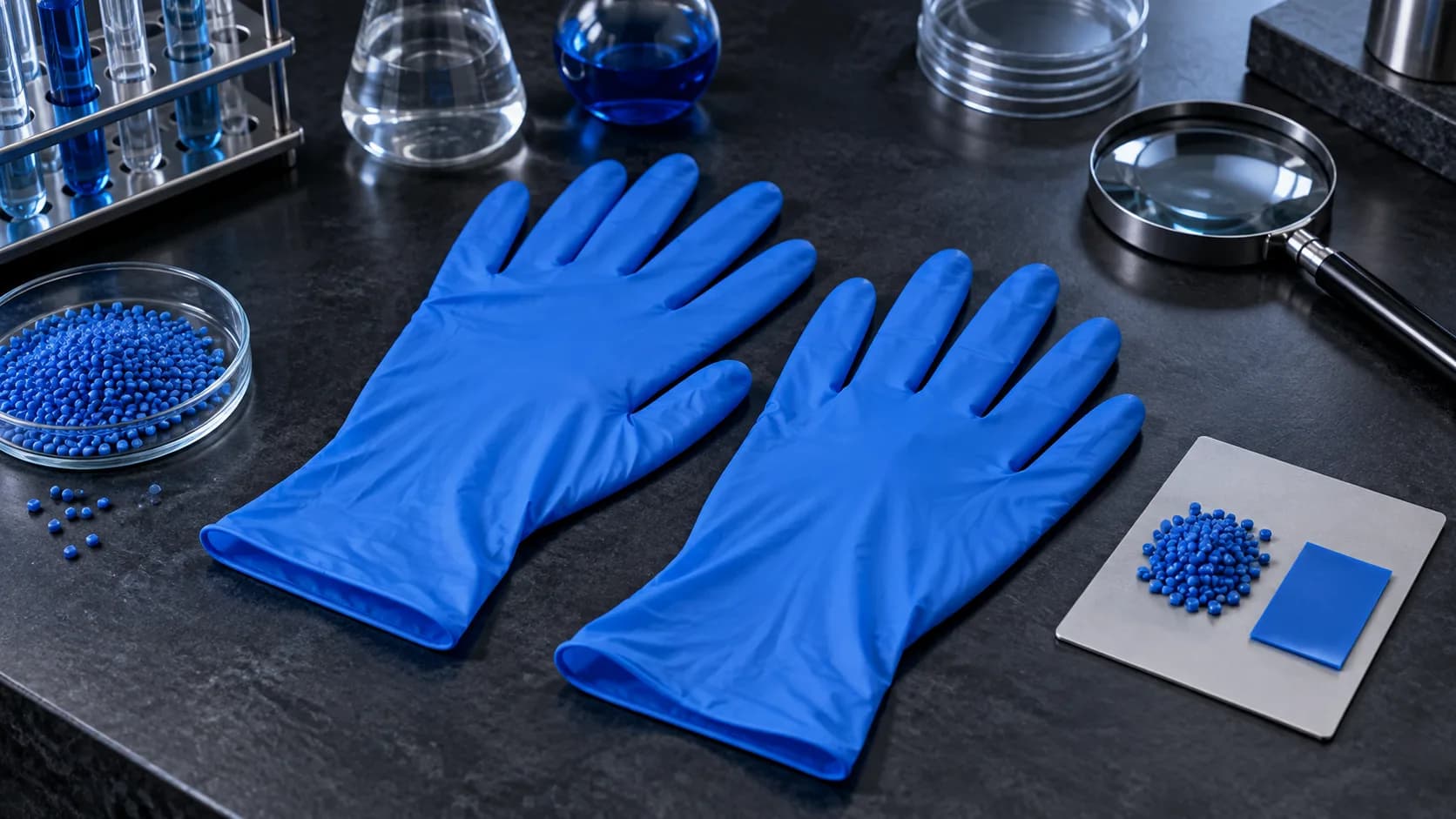
Polychloroprene is a synthetic chloroprene rubber. Standards and regulatory records generally use polychloroprene or chloroprene, while neoprene is widely used in commercial descriptions. Buyers should record the exact material and product reference rather than relying on the market term alone.
Polychloroprene is not nitrile, natural rubber latex or polyisoprene. A formulation can be used in different product types, but the polymer does not decide whether the finished glove is an examination glove, surgical glove, PPE glove, sterile device or chemotherapy glove.
What ASTM D6977-19(2023) covers
ASTM describes D6977-19(2023) as the active specification for polychloroprene examination gloves used in medical examinations and diagnostic and therapeutic procedures. Its public scope includes ambidextrous or paired formats and packaged sterile, packaged non-sterile or bulk non-sterile examination gloves.
The specification addresses requirements and tests including dimensions, freedom from holes, physical properties, ageing, powder residue and sterility where applicable. FDA currently lists this edition as partially recognised, with a stated exclusion connected to the US ban on powdered medical gloves. Partial recognition must not be presented as FDA product approval.
Examination and surgical gloves follow different routes
ASTM D6977 is an examination-glove specification. ASTM D3577 and ISO 10282 concern surgical rubber gloves. ISO 10282:2023 applies to single-use sterile surgical gloves and states that it does not apply to examination or procedure gloves.
A polychloroprene formulation may appear in either examination or surgical products, but intended purpose, fit, sterility, performance evidence and regulatory route remain separate. Do not use a D6977 report to present an examination glove as suitable for surgery, sterile procedures or operating-theatre use.
Sterile and non-sterile versions need their own files
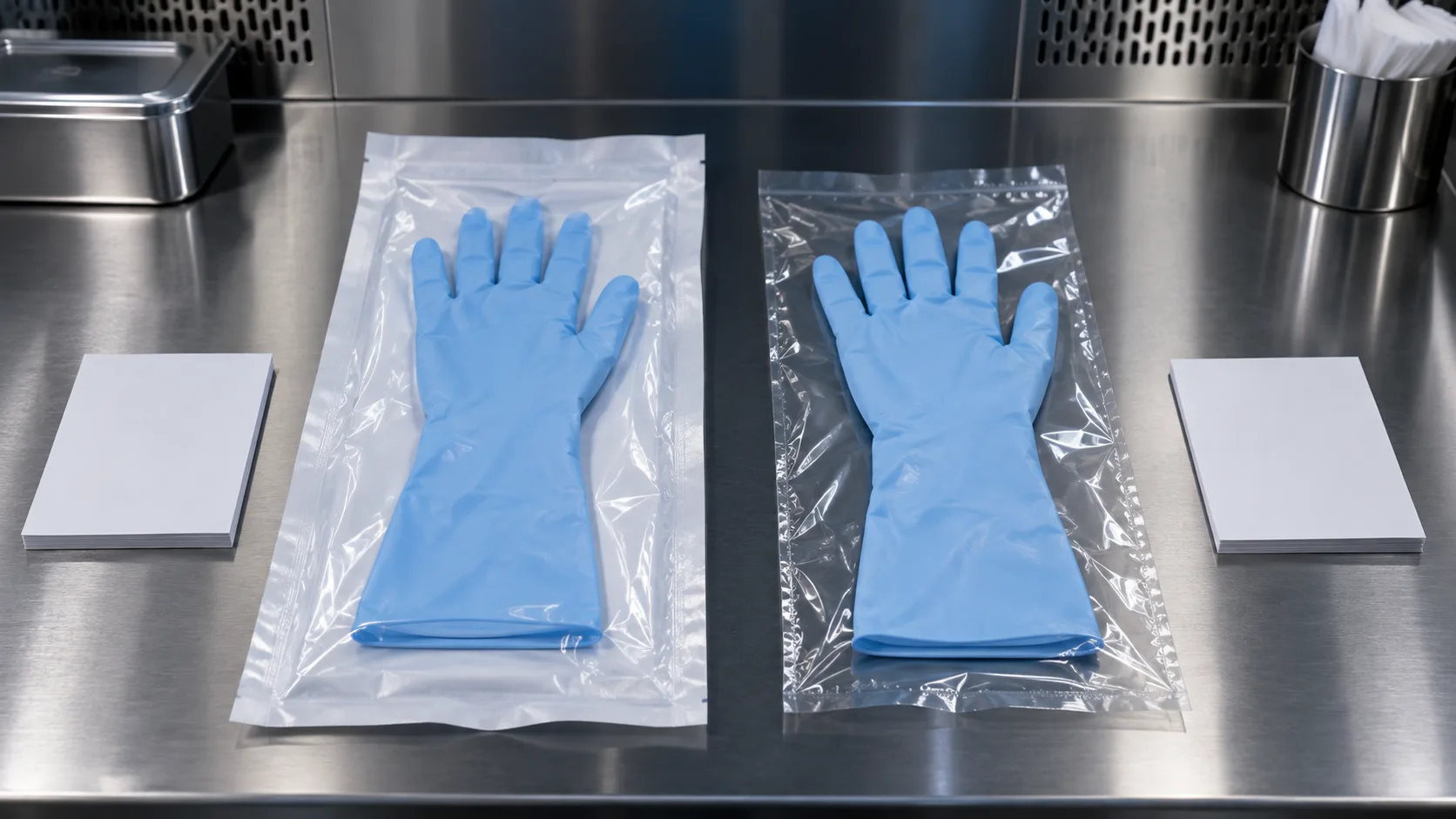
D6977 accommodates sterile and non-sterile examination-glove formats, but an unspecified polychloroprene glove is not sterile by default. Verify the labelled status, intended use, sterilisation method and validation where applicable, sterile-barrier evidence, shelf life and exact market documentation.
In Great Britain, a sterile Class I medical-device route needs third-party conformity assessment for the aspects relating to sterility. Northern Ireland follows different requirements. MHRA guidance also makes clear that registration is not accreditation, certification, approval or endorsement. Avoid a blanket 'UK approved' claim.
United States evidence is more than a material standard
FDA states that medical gloves are Class I reserved devices requiring a 510(k) premarket notification. Its product-classification database lists powder-free polychloroprene patient examination gloves under product code OPC and 21 CFR 880.6250.
Consensus-standard recognition, establishment registration, device listing, product classification and 510(k) clearance are different records. For an exact product, verify the applicant, device name, product code, indications, sterility, sizes and any additional claims. Do not describe a medical glove as approved by FDA.
Where ISO 11193-1 and EN 455 fit
ISO 11193-1:2020 covers single-use rubber examination gloves made from rubber latex or rubber solution, including packaged sterile and bulk non-sterile gloves. ISO currently lists the published edition as under revision, with a draft replacement in development. Apply it only where the exact technical file and declared scope support it.
The EN 455 series is a part-by-part framework for single-use medical gloves covering freedom from holes, physical properties, biological evaluation and shelf-life determination. A report against one part does not prove the others. Check the current destination-market status and exact-SKU reports instead of inferring compliance from the material name.
Compare materials without generic winner claims
A useful comparison records the product route and evidence instead of assigning a universal performance score. Fit, dexterity, puncture behaviour, chemical resistance and durability can change with formulation, dimensions and test method.
- Polychloroprene: synthetic chloroprene rubber; ASTM D6977 is the material-specific examination-glove specification.
- Nitrile: synthetic nitrile-butadiene rubber; ASTM D6319 is the material-specific examination-glove specification.
- Natural rubber latex: natural rubber material covered by ASTM D3578 for US examination-glove evidence; natural rubber protein allergy and reactions to chemical additives are different issues.
- Polyisoprene: synthetic rubber distinct from polychloroprene and often discussed in surgical-glove procurement; the exact examination or surgical route still needs verification.
Natural rubber latex and accelerator wording
Polychloroprene is not natural rubber latex as a base polymer, but 'latex-free' can be an imprecise safety statement. FDA recommends supported wording that natural rubber latex was not used in manufacture of the product, container or packaging rather than an absolute absence claim.
Synthetic does not mean accelerator-free. Thiuram-free, carbamate-free, MBT-free and similar claims each need an exact formulation scope and supporting evidence. Do not call a product hypoallergenic or dermatitis-safe. People with suspected reactions should follow their occupational-health or clinical pathway.
Chemotherapy and chemical claims are separate
ASTM D6978-05(2023) is a separate practice for assessing medical-glove material resistance to permeation by chemotherapy drugs under defined conditions. A D6977 result does not establish chemotherapy resistance, and one drug result does not generalise to other drugs, concentrations or gloves.
For any chemotherapy or chemical claim, request the exact glove, tested thickness, named substance or drug, concentration, method edition, conditions, breakthrough data, limitations and market labelling scope. Laboratory data should not be turned into a universal safe-wear time.
Exact-product evidence checklist
Approve a product only after the intended purpose, destination and documents align. Keep the following fields in one controlled record.
- Exact SKU, material, formulation statement, sizes, cuff, grip, colour, powder status and sterile status.
- Medical examination, diagnostic or therapeutic intended purpose, kept separate from surgical or PPE claims.
- Legal manufacturer, brand owner, importer, responsible person and other market roles as applicable.
- Current declaration, registration, conformity or 510(k) record for the destination market.
- D6977, ISO 11193-1 and EN 455 reports only where their scope and edition match the exact glove.
- Natural rubber latex and named accelerator statements with product, component and packaging scope.
- Sterilisation, sterile-barrier, shelf-life and lot-release evidence where the product is supplied sterile.
- D6978 or other task-specific chemical data only when required, including the named substances and limitations.
- AQL, lot traceability, storage, change control and complaint route.