Biodegradable nitrile gloves: how to assess the evidence
What an ASTM D5511 result can - and cannot - show, why test conditions matter, and how to compare environmental claims responsibly.
Published by NewGlove
Reviewed and updated 10 August 2026
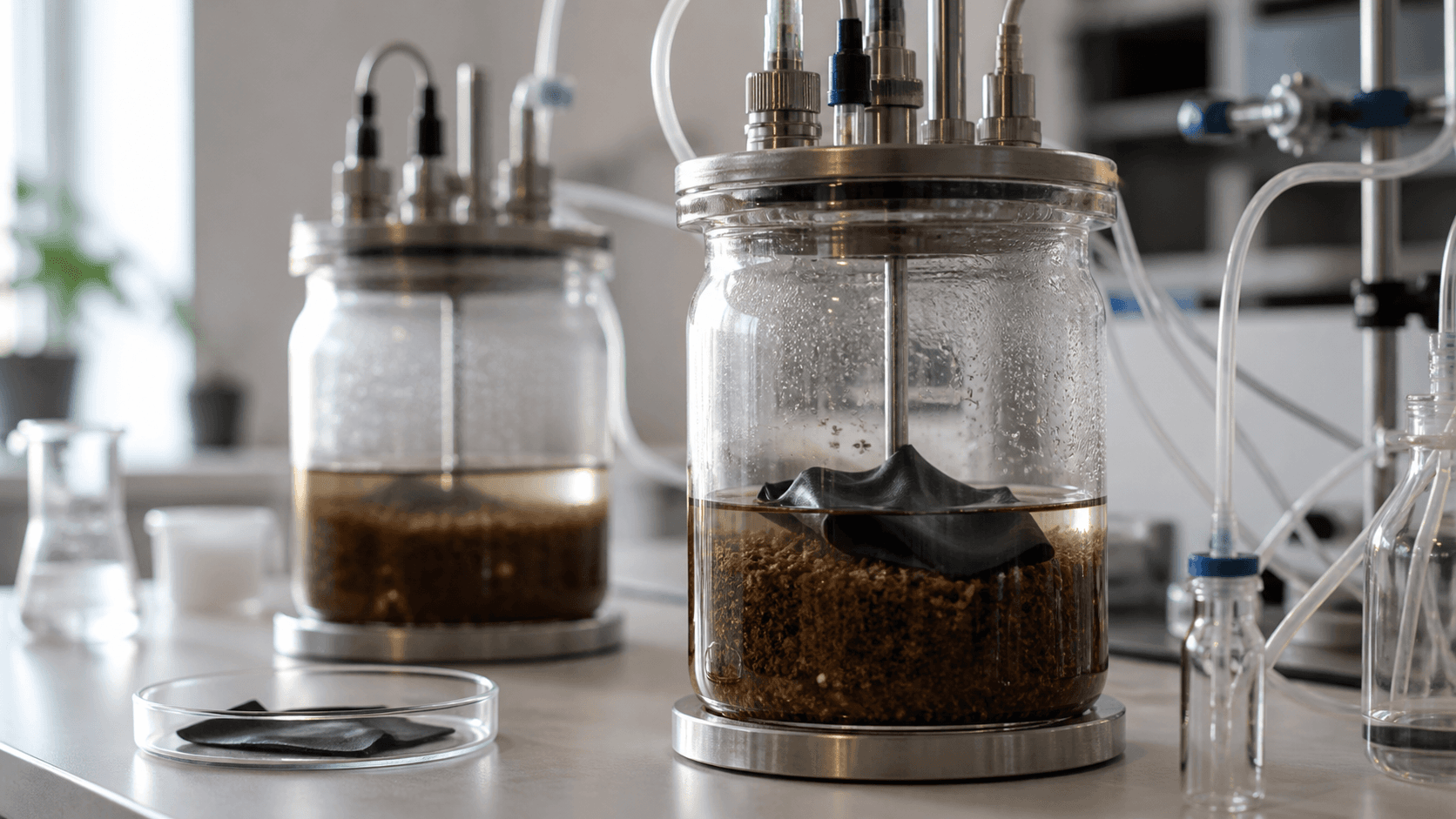
Environmental claims for disposable gloves need numbers and conditions, not just a green label. NewGlove reports a result of 26.5% biodegradation after 390 days for its NewBio range under ASTM D5511 test conditions. Understanding that sentence is the key to using the claim responsibly.
The result is specific to the tested material, duration and controlled method. It does not mean a glove will lose 26.5% of its visible mass in every landfill, or that it is suitable for home or industrial composting.
What ASTM D5511 measures
ASTM D5511 is a laboratory method for determining the rate and degree of anaerobic biodegradation of plastics under high-solids anaerobic-digestion conditions. In simple terms, it measures conversion of carbon in the test material into gaseous carbon under controlled, microbe-active conditions.
ASTM itself says the method is designed to provide a reproducible laboratory environment and is not intended to reproduce every anaerobic digestion system. Its scope also says performance claims should remain limited to the measured numerical result and actual test duration.
How to read “26.5% after 390 days”
Read the figure as a comparative test result: under the specified method, the tested NewBio material achieved the reported conversion after the stated time. It is not a prediction that every discarded glove will follow the same timeline.
Real disposal environments vary in moisture, temperature, microbial activity, waste composition and gas management. Those variables can materially change degradation. Buyers should avoid translating a laboratory result into a universal “breaks down in 390 days” claim.
What the result does not establish
A single ASTM D5511 percentage should not be used to imply claims the test does not address.
- It does not establish that the product is compostable or suitable for a council food-and-garden-waste stream.
- It does not establish the behaviour of the glove in an unmanaged, dry or inactive landfill.
- It does not measure the environmental impact of manufacturing, transport, packaging or use.
- It does not replace barrier-performance, chemical-resistance or medical-device evidence.
- It should not be extrapolated beyond the tested duration without further evidence.
Questions to ask any supplier
Use the same evidence checklist for every environmental claim, including ours.
- Which exact standard and edition was used?
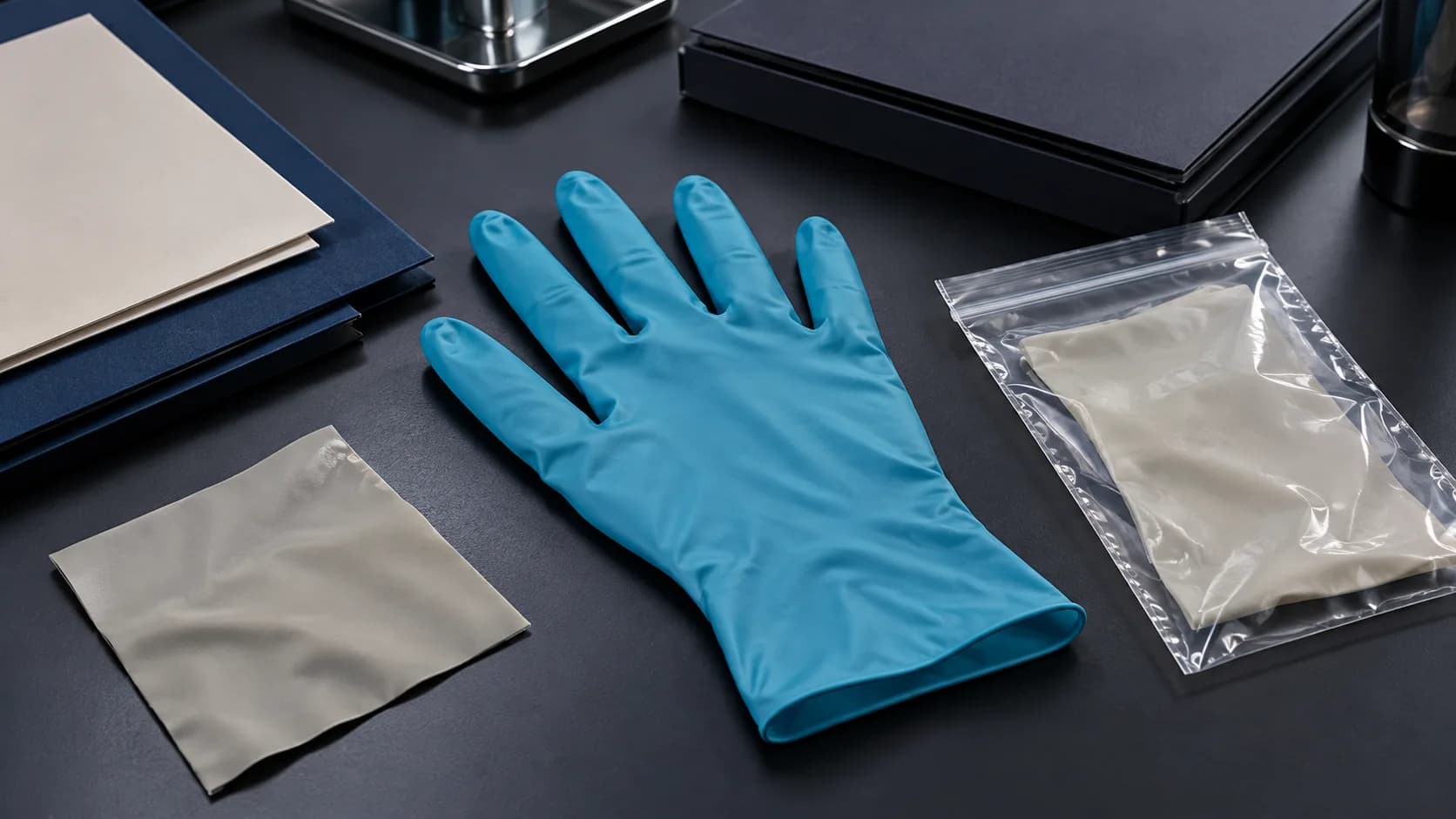
- Which product formulation, thickness and colour was tested?
- What was the measured percentage, and after how many days?
- Were the result and test conditions reported by an independent laboratory?
- Can the supplier provide the report or an appropriate evidence summary?
- Which disposal routes are actually available at the sites where the gloves will be used?
Put the claim in a wider procurement decision
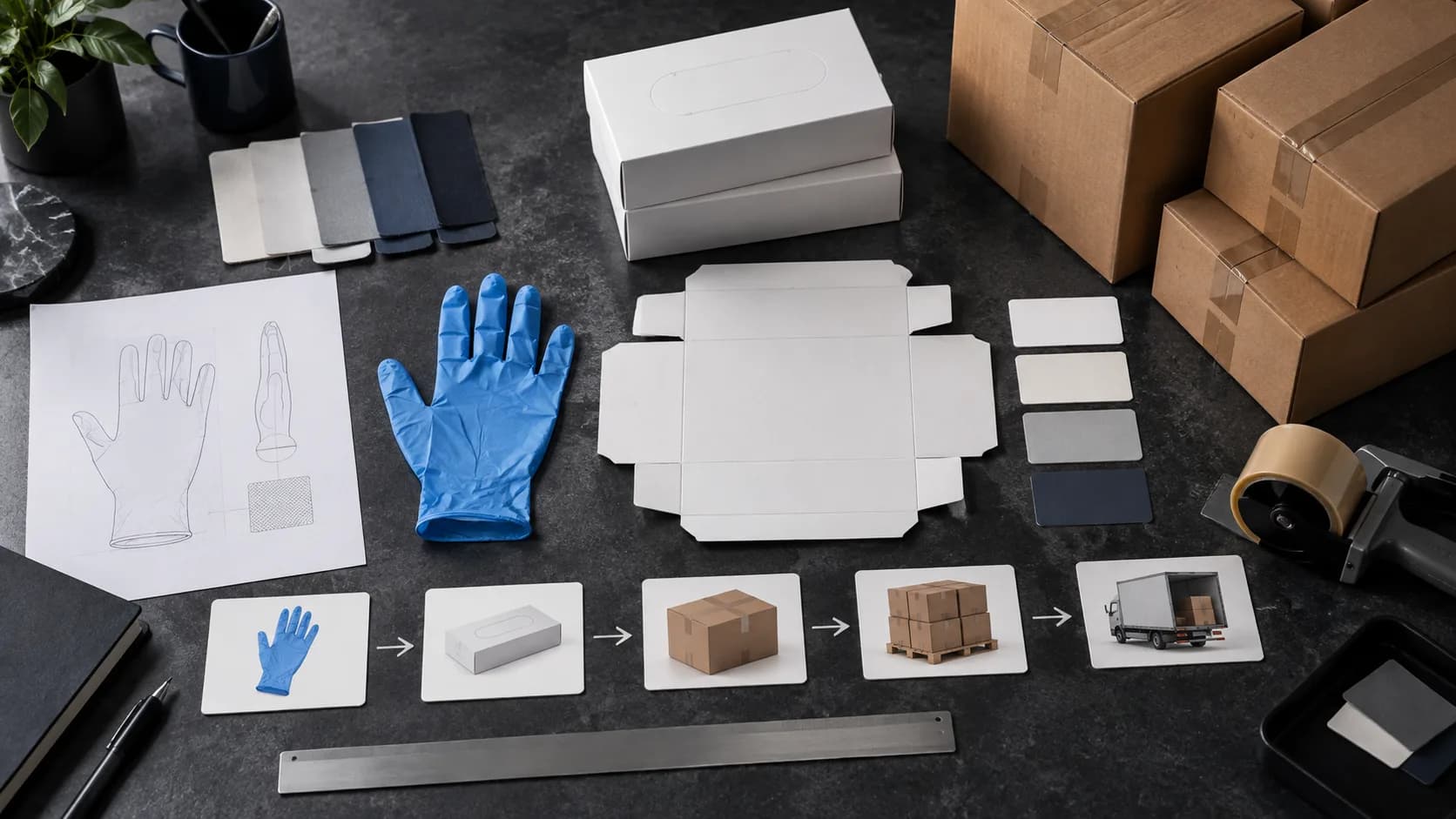
Start with safety and suitability: intended use, fit, thickness, grip, applicable standards and chemical data. Then assess waste prevention, pack density, delivery patterns and the real end-of-life route. A lower-impact choice is strongest when it works operationally and its claim can be documented.
NewBio is available in Lite, Thick and Xtra Thick variants. Match the variant to the task rather than choosing extra material by default, and request current technical and biodegradation documentation before making a tender claim.