Disposable glove sizing and fit: palm width, hand length and cuffs
Measure the workforce, use the exact manufacturer's size chart and validate the exact glove in the intended task instead of relying on a universal S, M or L label.
Published by NewGlove
Disposable glove size labels are not a universal physical specification. Two products both marked medium can feel different because their dimensions, material, thickness, former shape, cuff construction and manufacturing tolerances are not identical.
A defensible selection process measures the workforce, checks the exact manufacturer's chart and trials the exact SKU in the intended task. Fit and cuff length can affect comfort, control and coverage, but they do not by themselves prove barrier performance, chemical protection, medical status or food-contact suitability. This guide is general procurement and workplace information, not medical or safety advice. The employer's risk assessment and competent product review remain essential.
Measure hand length and width consistently
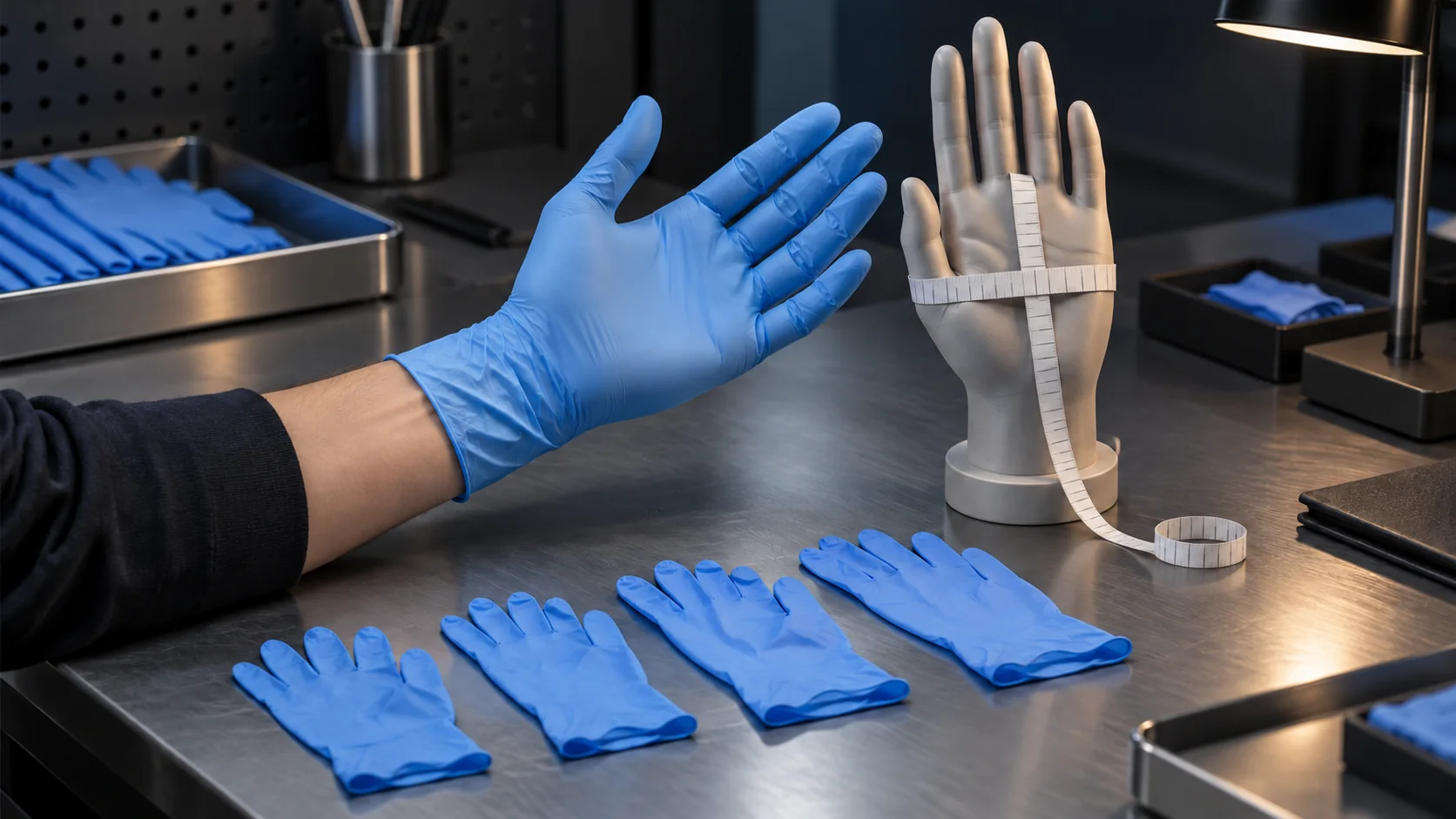
HSE's glove-size guide measures length from the bottom edge of the palm to the tip of the middle finger. For hand width, it describes wrapping a tape around the dominant hand just below the knuckles, excluding the thumb, while making a fist.
Those measurements are useful starting points, but they do not create a universal disposable-glove chart. Record the method used and apply the exact manufacturer's sizing information for the SKU being reviewed. Where the manufacturer's method differs, resolve the difference before choosing sizes.
- Use the same flexible tape and method for the whole sample group.
- Measure the dominant hand unless the applicable product instruction says otherwise.
- Record both length and width rather than relying on one dimension.
- Note workers close to a boundary between two manufacturer sizes.
- Keep personal measurements secure and use only the data needed for the size plan.
Why S, M, L and XL are not universal
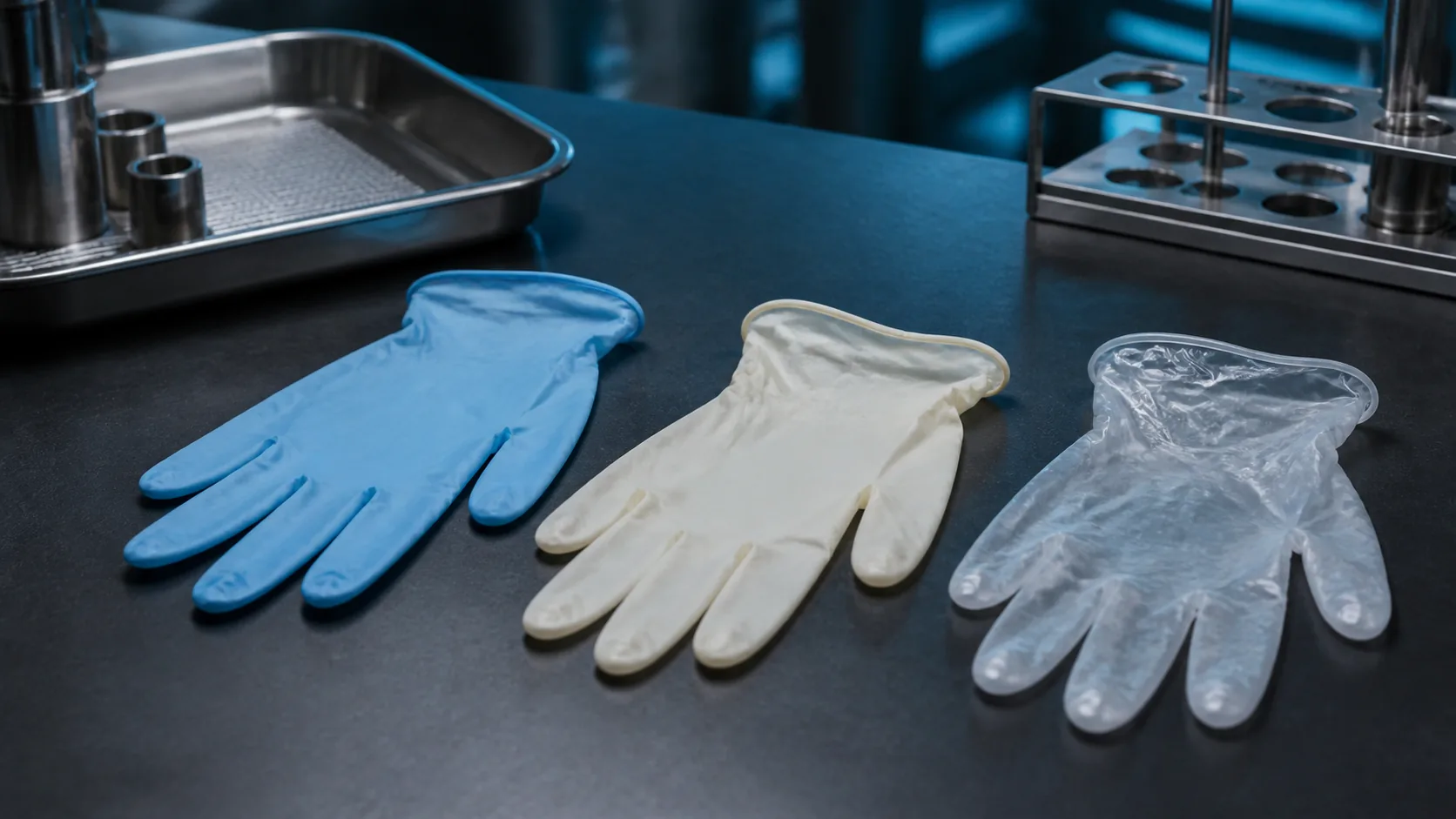
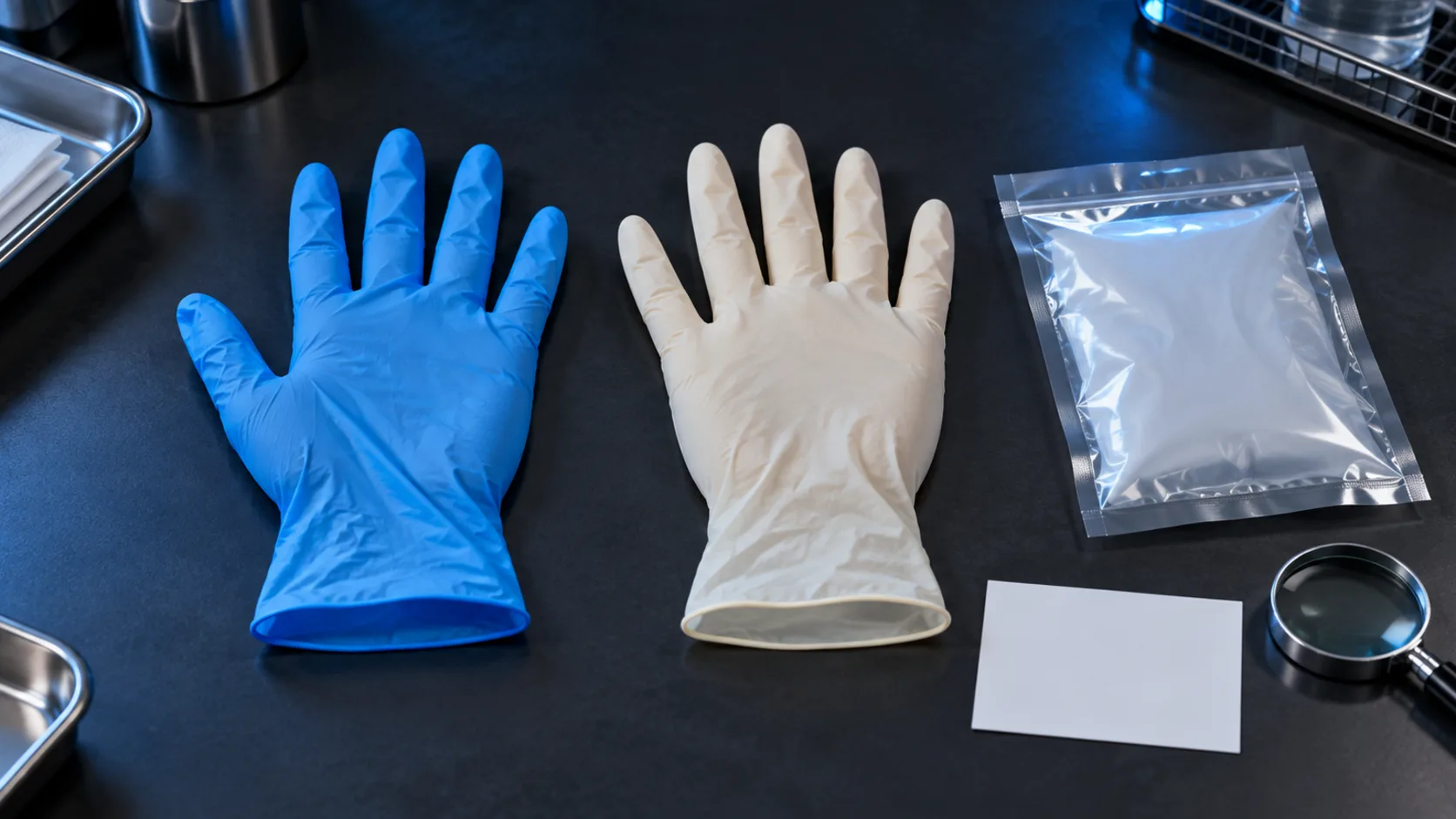
A size label groups a manufacturer's dimensional range. It is not a regulated promise that every glove carrying that letter has the same palm width, finger length or cuff opening. Even within one brand, another material or product line can use a different former or dimensional tolerance.
For protective gloves, ISO 21420:2020 covers general design, construction, comfort, efficiency, marking and manufacturer information. ISO says it does not address protective properties on its own. For single-use rubber examination gloves, ISO 11193-1:2020 provides a separate product specification and is currently marked for revision. Always check the exact standard, edition and product file that apply.
Recognise a glove that is too small
A glove that is too small may be difficult to don, pull back from the fingertips, restrict thumb movement or create persistent pressure across the palm. Stretching can also distort texture and make the cuff roll or retreat from the wrist.
Do not assume that a tight glove is more protective or that every wearer should automatically size up in a thicker product. Compare adjacent sizes in the exact SKU and observe the task. The objective is secure fit with usable movement, not maximum tension.
- Fingertips cannot reach their natural position.
- Thumb abduction or a pinch grip feels restricted.
- The palm is held under constant tension or the material pulls strongly between fingers.
- The cuff rolls, tears during donning or sits shorter than intended.
- The wearer reports pressure, numbness, pain or loss of endurance.
Recognise a glove that is too large
A loose glove can leave empty material beyond the fingertips, bunch in the palm or rotate during a task. That excess can interfere with fine handling, catch on components or make a wet or oily object harder to control.
Some looseness can also result from the wrong product shape rather than the wrong nominal size. Compare fit around the thumb web, finger length, palm and cuff before deciding that one size label solves the problem.
- Visible fingertip voids or folded material at the tips.
- Palm bunching when the hand closes.
- Rotation or slip during repeated grip movements.
- A cuff opening that does not stay in the intended position.
- Reduced control of small parts, instruments or wet objects.
Treat cuff length as a separate specification
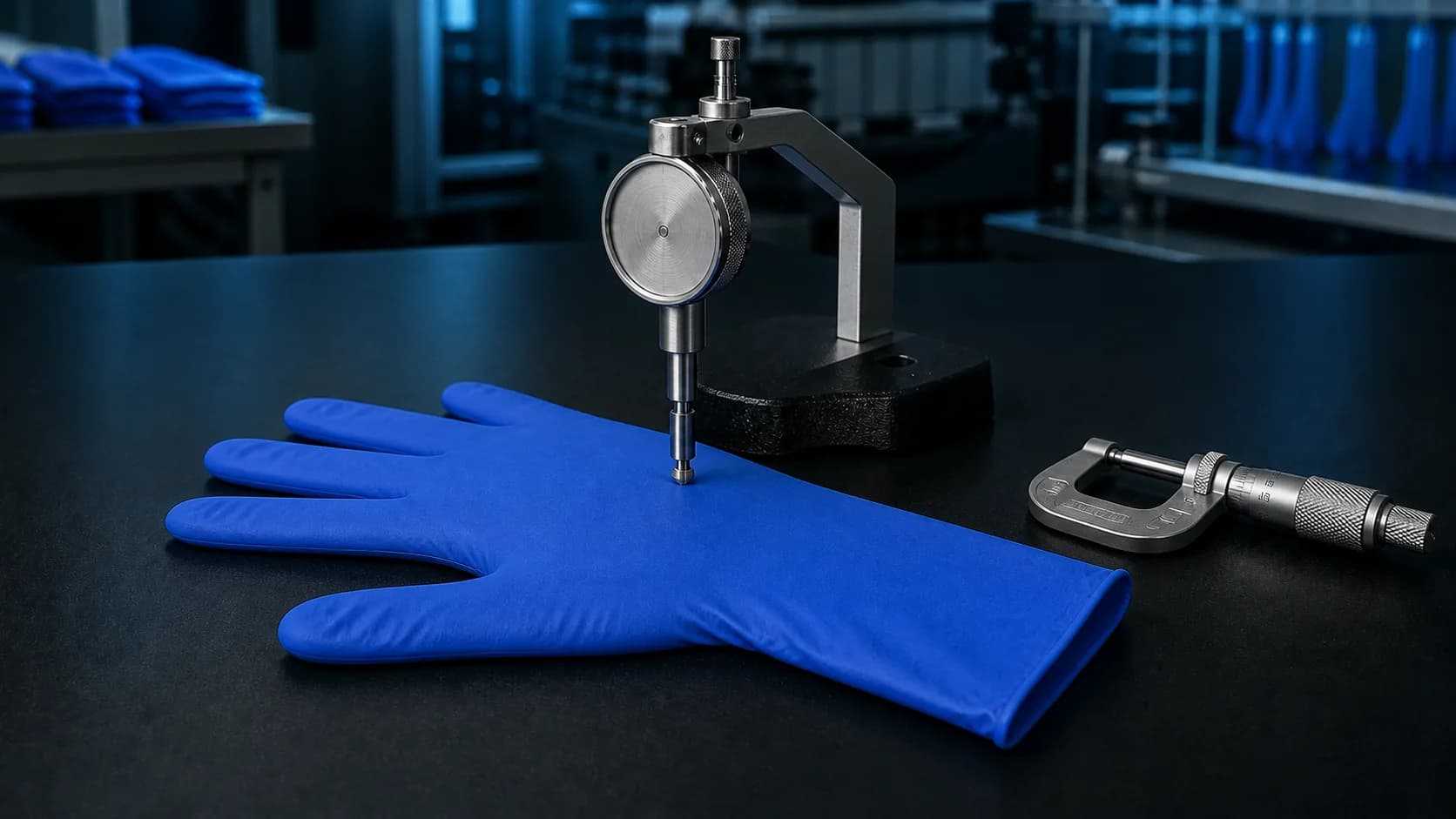
Cuff length affects how far the glove extends beyond the wrist and how it interfaces with sleeves, gowns or other clothing. The useful dimension is the exact product's stated and verified length, not an informal phrase such as long cuff.
Longer coverage does not by itself establish chemical resistance, liquid-tightness, sterile status or compatibility with another garment. Define whether the glove sits under or over the sleeve, what movement can open the overlap and whether the exposure can travel towards the forearm.
- Required wrist or forearm coverage for the task.
- Garment overlap and the approved donning sequence.
- Cuff stability during reach, flexion and repeated movement.
- Risk of liquid running towards or under the cuff.
- Exact-product dimension and tolerance in the current specification.
Validate fit in the real task
The EU PPE Regulation requires PPE design to consider ergonomics and, where appropriate, an adequate range of sizes. It also says PPE should allow the user to perform the risk-related activity normally while providing appropriate protection. A table alone cannot establish that outcome.
Run a structured trial with the exact product and representative users. Include the movements, tools, moisture, wear duration and garment interfaces expected in practice. Keep hazardous testing within the workplace risk assessment and never expose users simply to prove fit.
- Donning and removal without damage or contamination.
- Pinch, power grip, rotation and tool handling required by the task.
- Dry, wet or oily grip conditions where applicable.
- Wear duration, heat, perspiration and skin feedback.
- Cuff and sleeve position through the full range of movement.
- Any loss of fit, tearing, rolling or interference with controls.
Build a workforce size mix before ordering
Measure a representative group across roles, shifts and sites, then validate the proposed size allocation with samples. Do not infer the whole workforce from a small office group or copy a generic case ratio.
Convert the trial into an opening size mix with a stated confidence level and contingency. After launch, compare issued quantities, shortages, returns and user feedback by size. Rebalance the mix without changing product or supplier silently.
- Population measured and roles represented.
- Manufacturer chart and product revision used.
- Trial sizes, wearer feedback and task observations.
- Opening order ratio and reserve for boundary sizes.
- Review date and person authorised to change the mix.
Check dimensions and fit after approval
The approved sample should stay connected to the written specification. At goods-in, verify product reference, size, lot, packaging and any agreed dimensional checks. A box marked medium is not enough if the supplied glove no longer matches the approved fit.
Investigate a cluster of fit complaints as a possible product, size-mix, storage or change-control issue. Preserve affected lot information and compare the complaint sample with the approved reference rather than assuming user error.
Private-label and OEM sizing questions
A private-label brief should separate commercial size names from measurable product dimensions. Confirm which former set, material and tolerances support the range, then lock the approved chart and artwork to the exact specification.
- Which sizes are technically and commercially available for this exact programme?
- What hand, palm, finger and cuff dimensions are controlled for each size?
- Which test method, standard edition and tolerance apply?
- Does the pack ratio match measured workforce or customer demand?
- How are size substitutions, former changes and dimensional drift controlled?
- Which chart, languages and units will appear in buyer information or artwork?
Disposable glove fit checklist
Use this shortlist before approving a size range or case ratio.
- Measure hand length and width with a documented method.
- Use the exact manufacturer's chart for the exact SKU.
- Trial adjacent sizes for users near a boundary.
- Assess fingertip, thumb, palm, cuff and garment overlap separately.
- Validate movement, grip, wear duration and donning in the intended task.
- Keep fit separate from barrier, chemical, medical and food-contact evidence.
- Build the order mix from representative workforce data.
- Monitor lot-specific complaints and control product or chart changes.