Disposable glove colour coding in food processing
How to design a practical glove colour system for food-production zones, allergens and tasks without mistaking colour for food-contact suitability.
Published by NewGlove
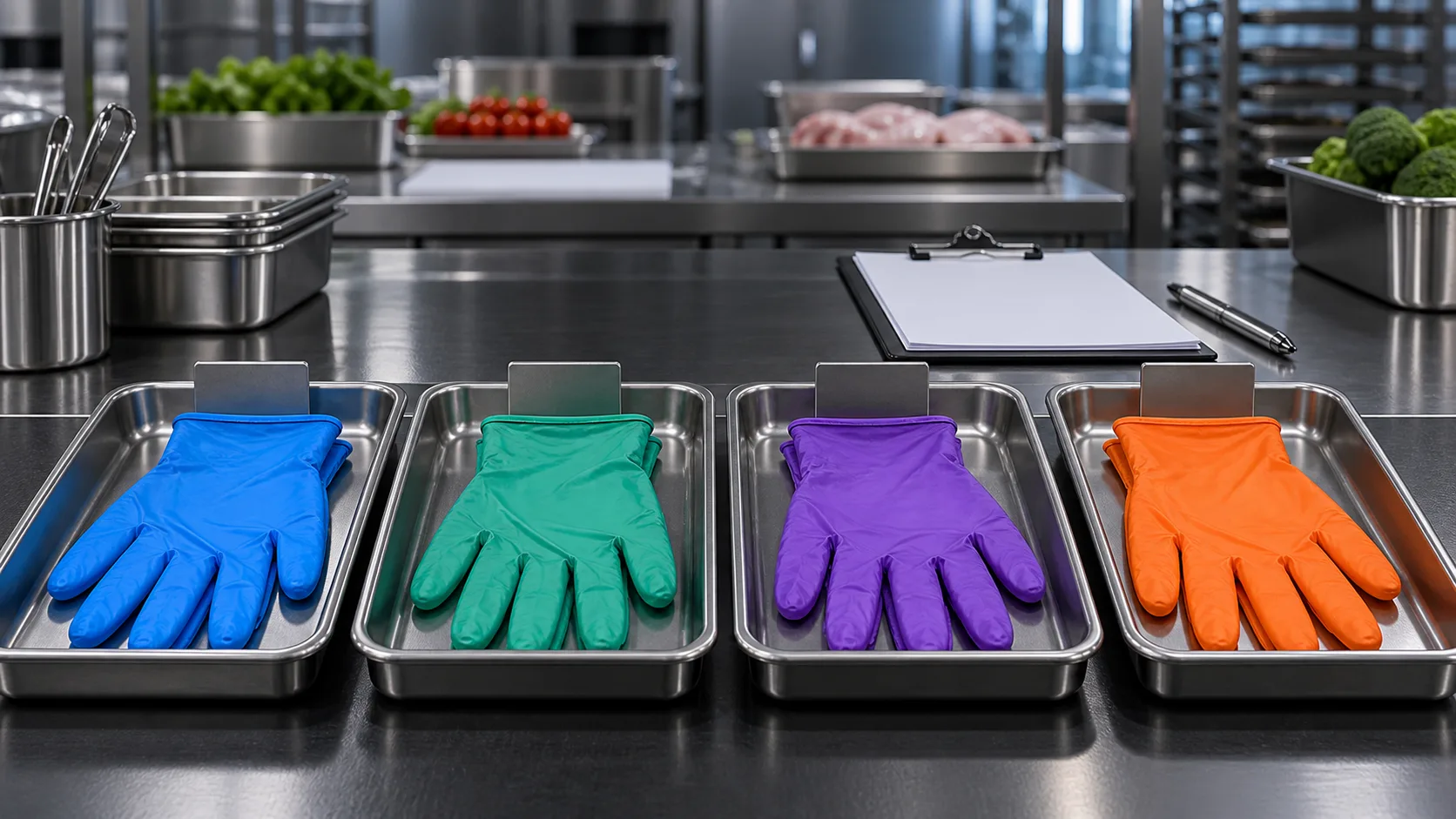
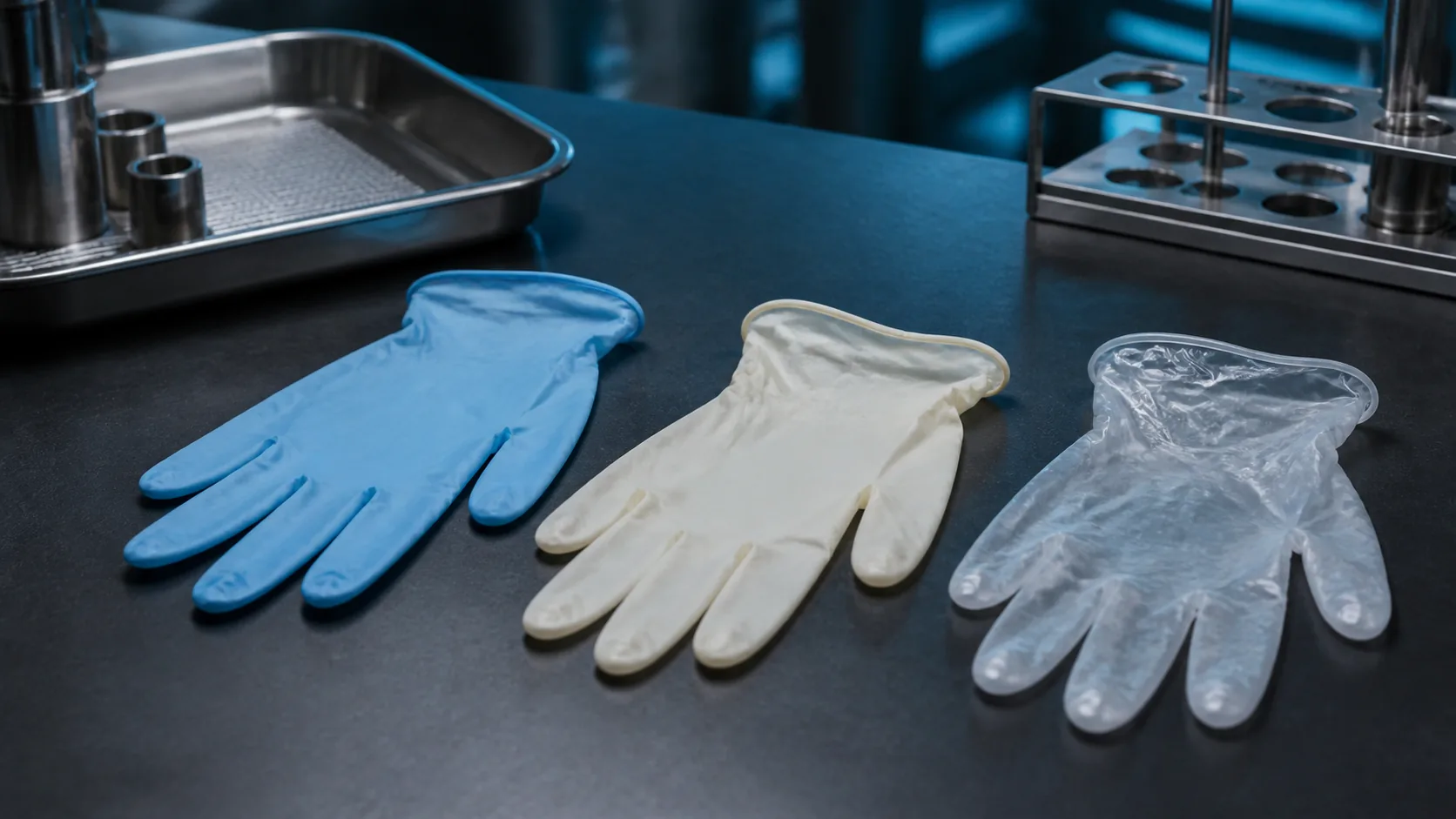
Colour-coded disposable gloves can make a food business's local controls easier to recognise. A site might separate raw and ready-to-eat work, identify an allergen-controlled task, reserve a glove for sanitation or make fragments easier to see against a product. There is no single universal glove-colour map that makes those decisions for every process.
A useful system begins with the HACCP plan, allergen assessment, process flow and exact-product evidence. Colour is a visual cue within that system. It does not replace hand washing, cleaning, separation, supervision or a current food-contact assessment for the glove itself. This guide is general procurement and food-safety information, not legal or regulatory advice.
What colour coding can and cannot control
A distinctive colour can help a supervisor notice that a person or glove has crossed into the wrong zone. It can help workers remember a task allocation and may improve the visibility of torn fragments against some foods. It can also support stock control when sealed packs are issued to defined areas.
Colour cannot show whether a glove has touched a contaminated surface, whether the wearer washed and dried their hands, whether the glove has a pinhole, or whether the product is suitable for contact with a particular food. It also cannot compensate for an unclear process or two colours that look too similar under the site's lighting.
Map the process before choosing colours
Start with the movement of people, food, waste, utensils and maintenance activity through the site. Mark where raw materials enter, where ready-to-eat product is exposed, where allergens are introduced or removed, and where cleaning changes the status of an area. The colour scheme should express controls that already have a clear operational purpose.
FSA allergen-cleaning research describes colour coding of equipment as a potentially useful way to support separation, while stressing that cleaning methods need to be chosen case by case. Apply the same discipline to gloves. A colour should represent a defined rule, not become the rule by itself.
- Raw input handling and transitions into later processing stages.
- Ready-to-eat or post-kill-step handling where applicable.
- Tasks involving a specific allergen or an allergen-controlled run.
- Cleaning and sanitation work, including chemical handling.
- Maintenance, engineering and waste activities near production.
Choose a simple local allocation
There is no requirement to assign the five example tasks above to five different colours. Too many choices can make the scheme harder to remember and stock. Use the smallest set that creates a meaningful visual distinction, and test it with the people who will use and supervise it.
Check contrast under production lighting and against the food being handled. Consider colour-vision differences and do not rely on colour alone for critical information. Zone signs, pack labels, dispensers, written procedures and training should state the task or area in words as well as colour.
- Give each colour one clear meaning within the site or controlled area.
- Avoid reusing the same colour for conflicting purposes across adjacent zones.
- Place sealed dispensers where the allocated work begins, not where crossing has already occurred.
- Use written labels and symbols so the control is not colour-only.
- Include visitors, agency workers and contractors in the same rule.
Verify food-contact suitability for the exact glove
Food-contact rules concern the material or article in its finished state and the conditions in which it may contact food. The framework requires materials not to transfer constituents in quantities that could endanger health, unacceptably change the food's composition or deteriorate its sensory characteristics. It also establishes traceability requirements.
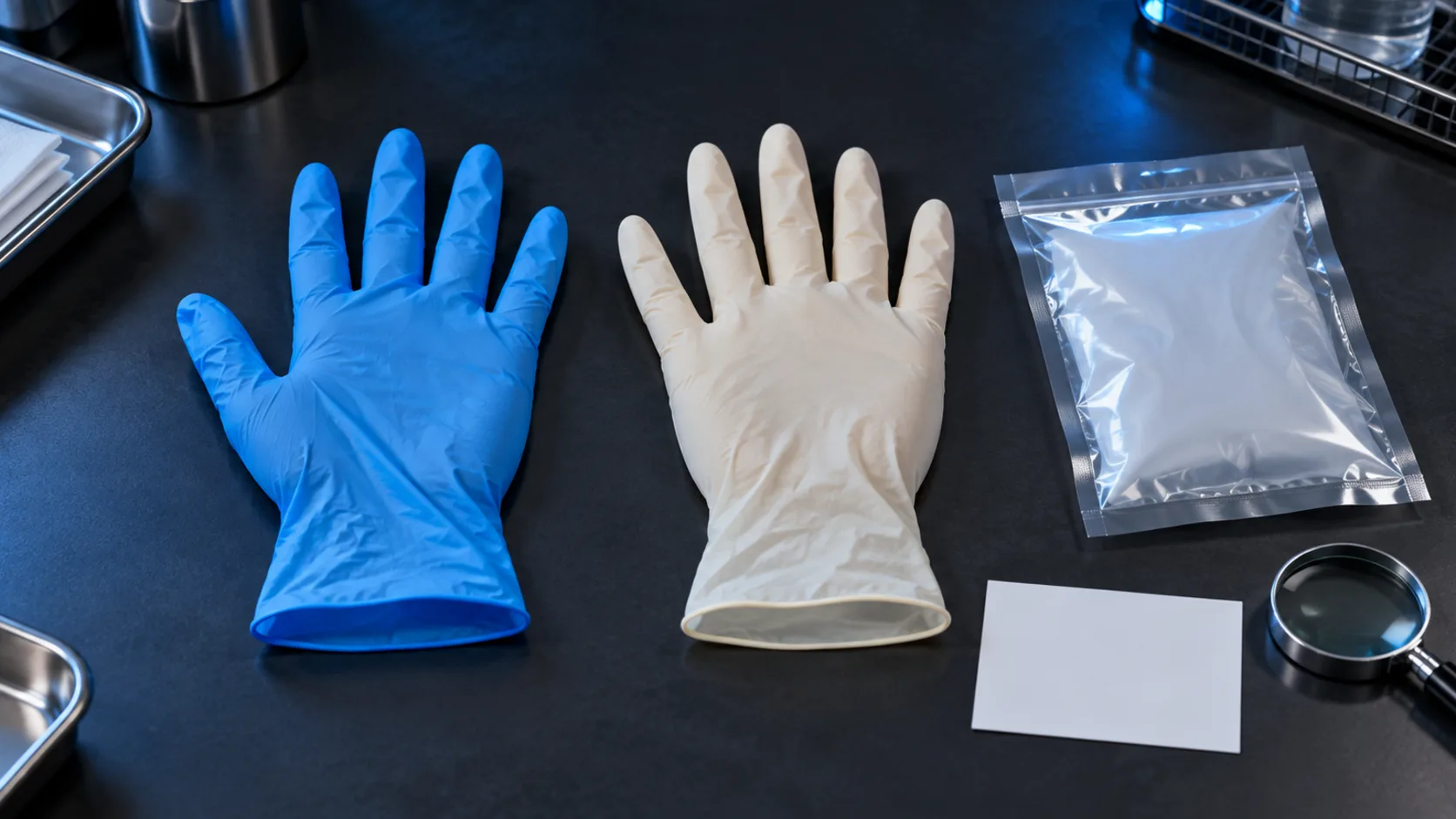
Ask for the current declaration or supporting evidence applicable to the exact glove reference, colour and formulation. Review the destination market, intended food types, duration and temperature of contact, and any restrictions or migration conditions stated in the product file. Do not extend a declaration from one colour or formulation to another without evidence that the document's scope covers it.
- Exact product reference, material, colour, sizes and manufacturing scope.
- Applicable food-contact framework and destination market.
- Food types, contact time, temperature and other stated conditions.
- Restrictions, test conditions and declaration revision date.
- Lot identification and route to supporting documentation.
Write glove-change triggers into the process
A worker wearing the correct colour can still carry contamination from one surface or food to another. Define when a glove must be removed, how hands are washed and dried, and where a fresh pair is donned. The trigger should follow the process risk rather than a fixed time alone.
Typical triggers can include moving from raw to ready-to-eat work, leaving and re-entering a controlled area, changing allergen status, touching waste or non-food-contact surfaces, completing sanitation, or finding damage. The site's HACCP and allergen controls should determine the exact rule.
Connect packaging, training and traceability
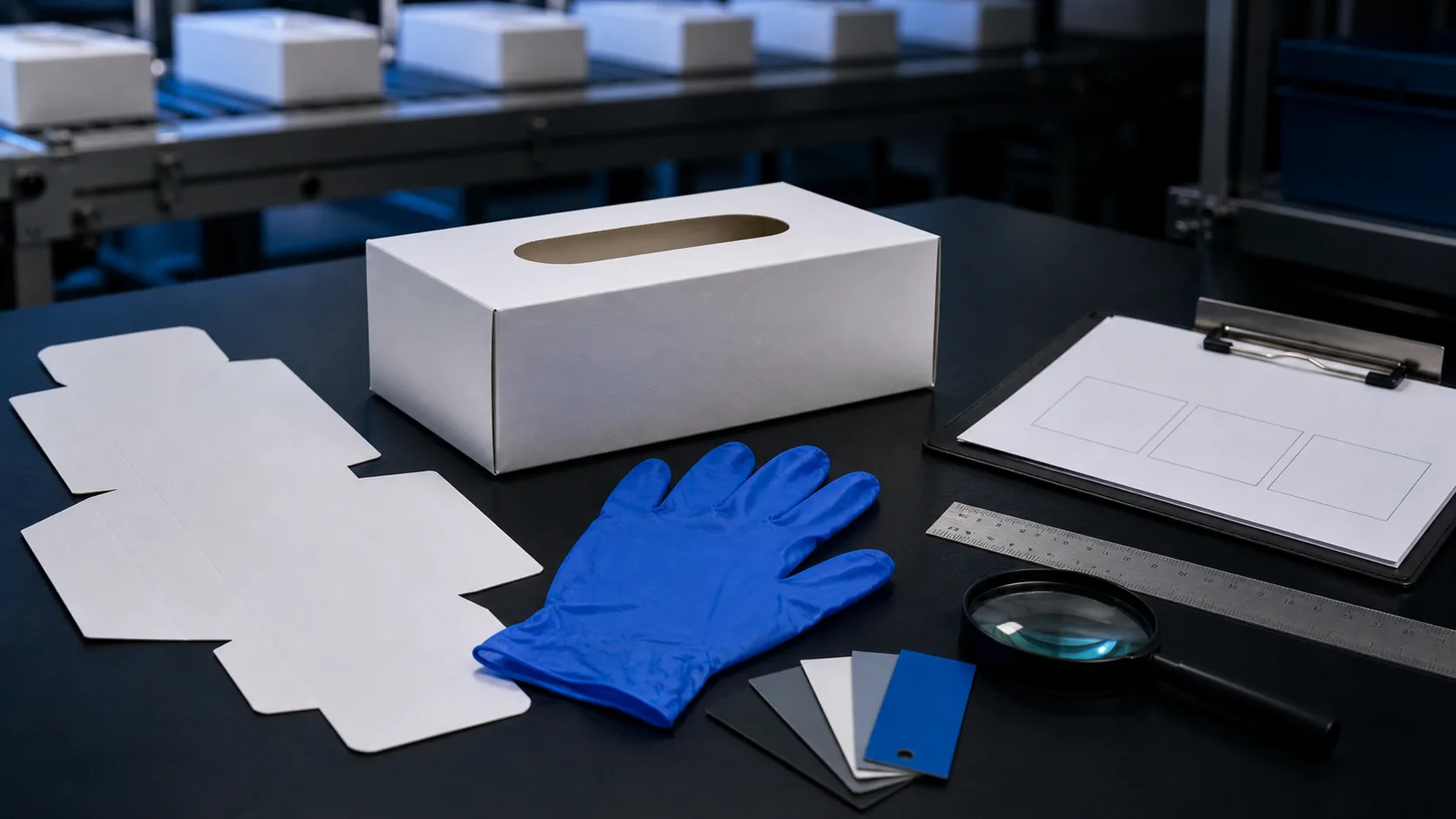
Packaging should make the product reference, colour, size and lot easy to verify without adding unapproved food-contact claims. For private-label programmes, artwork approval and product approval should use the same controlled reference so a packaging change cannot quietly substitute another glove.
Train workers on why the colour exists, what it does not prove and when to stop and ask. Supervisors should observe real tasks, not only check whether the right box is on the wall. Record deviations and review whether the problem came from layout, supply, training, colour choice or the procedure itself.
Food-processing glove programme checklist
Before rolling out a colour-coded glove scheme, confirm that the complete control is workable and evidence-led.
- Is each colour tied to a documented zone, task or allergen control?
- Does the scheme use words or symbols as well as colour?
- Is exact-product food-contact evidence current for every approved colour?
- Are food types, contact duration, temperature and stated restrictions understood?
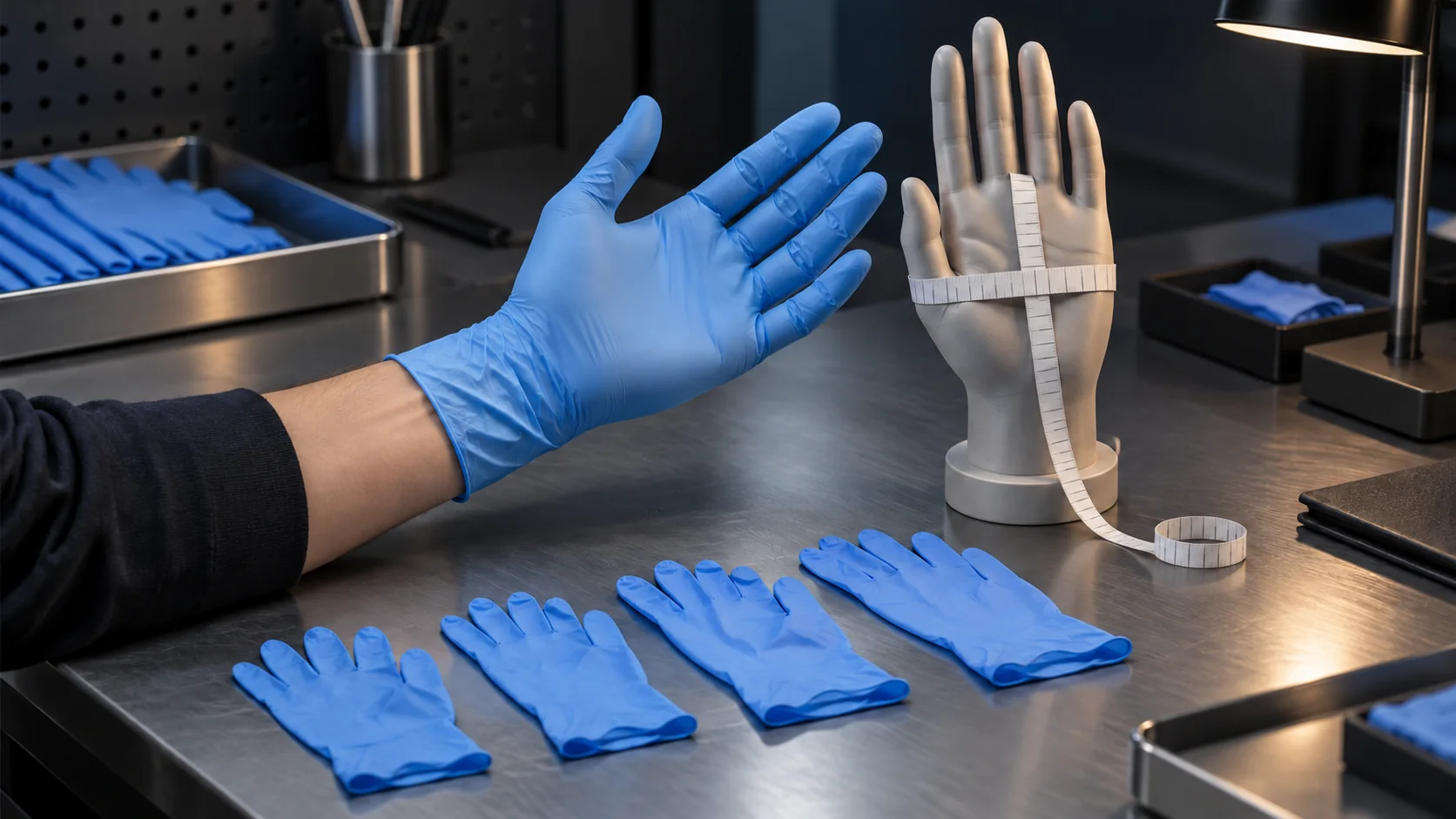
- Do available sizes support fit without encouraging workers to use the wrong colour?
- Are glove-change, hand-washing and damaged-glove rules explicit?
- Can packs and complaints be traced to the product reference and lot?
- Will formulation, colour, packaging or supplier changes trigger reapproval?
- Has the scheme been tested and verified on the production floor?